Focused TRAPPIST-1 Simulator for Desktop Astronomy Enthusiasts and Educators
Trappist, developed by Sirrah, is a desktop simulation designed to let users explore the TRAPPIST-1 planetary system in scientific detail. The app presents orbital architecture and planetary properties through interactive visualization, supporting observation and experimentation rather than objective-based play. It emphasizes scientific grounding, clear presentation, and exploratory controls to inspect planetary relationships. The target audience is astronomy enthusiasts, students, and educators seeking a dedicated, study-ready tool for a single exoplanetary system.
The app models planets using published astronomical measurements
Data-driven representation is central: the program incorporates known measurements such as planetary mass, radius, and orbital periods to represent each world. That approach supports close study of system-scale dynamics and the app includes an explicit treatment of habitable-zone relationships, giving users a factual basis for comparing planetary conditions within the same stellar environment.
Performance and platform choices favor standard desktop setups
Desktop optimization is evident: the software is designed to run on most modern hardware and to avoid high-end workstation demands. It is available for macOS, Windows, and Linux, which makes it practical for classroom and hobbyist machines. The developer states the project is lightweight, which reduces barriers for users who do not have dedicated graphics workstations.
Presentation and interface are tuned for study and clarity
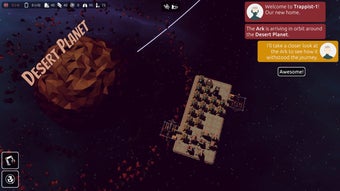
Minimalist interface and clear visuals support focused inspection rather than game-like distraction. The app supplies detailed planetary visual representations linked to their measured properties, and the interface emphasizes labels and readouts useful for lessons or self-directed learning. The current release targets standard desktop displays and does not offer native VR headset support.
Indie development and community feedback shape expectations
Independent provenance informs scope and update cadence: the developer publishes experimental simulation projects on itch.io and provides occasional updates for compatibility and refinements. The title is noted within the indie simulation community for its educational value, which positions it as a curiosity-driven project rather than a mass-market entertainment release.
Best for learners and observers who want a single-system reference
The app is a focused choice for astronomy students, educators, and enthusiasts who value factual, inspectable representations of one exoplanetary system. Its concentrated scope supports in-depth study and classroom demonstration; that same focus reduces its usefulness for users who seek comparative surveys of many systems or goal-driven gameplay. For focused study of TRAPPIST-1, it serves as a compact desktop reference.
Pros
Uses published planetary measurements (mass, radius, orbital periods)
Clean, minimalist interface oriented to study and presentation
Runs on most modern desktop hardware across major platforms
Positive reception in the indie simulation and educational community
Cons
Limited to the TRAPPIST-1 system, not suitable for cross-system comparison
No native VR support for immersive viewing
Sandbox format lacks objectives for players seeking goal-driven play
Laws concerning the use of this software vary from country to country. We do not encourage or condone the use of this program if it is in violation of these laws. Softonic may receive a referral fee if you click or buy any of the products featured here.